Taco Bout 100 Days: Craft Graphics Review
When I’m planning a new product collection for my Etsy shop, the first thing I do is scan freshly downloaded design assets and mentally test them against my current lineup. Last week, I did exactly that with the Taco Bout 100 Days digital kit. I had a hunch it could fit a seasonal milestone bundle I was quietly building, but I needed to see how it actually performed across mockups, cut-ready software, and the kind of visual storytelling that makes a listing stand out. This isn’t a hype-filled first glance—it’s the real process I follow before a single file goes live.
Opening the Folder and First Impressions
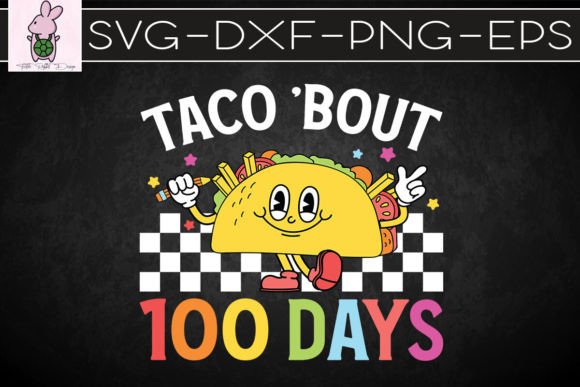
The moment I unpacked the Taco Bout 100 Days files, I noticed the playful, celebratory personality. The style leans into a hand-drawn, slightly whimsical mood that would appeal to anyone crafting around school milestones, classroom parties, or funny keepsake products. It’s not overly elegant or corporate; it’s designed to feel warm, approachable, and a little bit cheeky. For a digital seller, that means the niche audience is clear: parents, teachers, party planners, and small business owners who make printable décor, t-shirts, or tumblers for the “100 days of school” season. The visual mood sits comfortably between cute and festive, which makes it easy to pair with serif and script fonts, confetti-style backgrounds, or bright color palettes in a product thumbnail.
The kit includes SVG, PNG, and DXF formats. Right away, I could see the designer prioritized usability. The SVG files are described as cup-sized and design software-friendly, which tells me they’ve been scaled thoughtfully for common projects like tumbler wraps or mug designs. The PNGs come with a high-resolution, clear background, so you can drop them straight into a Canva template or a product mockup without spending time cleaning edges. The DXF files add a multi-purpose option for those who still work with older cutting machines. This kind of file variety is what I look for when I’m building a commercial graphic design asset library for my shop, because it reduces the number of edits I need to make before listing.
Testing the Design Across Real Product Scenarios
Before I ever list a design, I run it through a handful of product simulations. With Taco Bout 100 Days, I started by opening the SVG in Cricut Design Space to check how the cut lines behaved. The design imported cleanly, and the paths were well-organized—no stray nodes or broken curves that would make a weeding nightmare for a crafter. The cup-sized scaling meant I could immediately drop it onto a 20oz tumbler template without awkward resizing. For a printable design, I tested the PNG on a white cardstock background for a greeting card and then on a dark navy tote bag mockup. The transparent background held up perfectly, with no white halos or pixelation around the letters. That’s a huge deal for sellers who need to create sublimation design transfers or t-shirt design previews that look professional on multiple product colors.
Next, I pulled the file into a Canva template intended for a “100 Days of School” party invitation. I paired it with a clean sans-serif font for the details and a playful handwritten font for the child’s name. The graphic didn’t overpower the text; it added exactly the right focal point. I also mocked up a sticker sheet, a notebook cover, and a social media graphic for a small business owner who sells personalized classroom decor. In every case, the asset held its visual weight without demanding too much attention. That balance is critical for a digital product that needs to leave room for a seller’s own branding or customer customization.
Where the Asset Works Best for Online Sellers
After testing, I’ve identified several product categories where Taco Bout 100 Days will perform reliably and help a listing convert:
- Tumbler wraps and mug designs – the cup-sized SVG is practically made for this, and the playful theme matches the gifting market.
- Printable wall art and party signs – the high-resolution PNG scales beautifully for 8x10 or 11x14 prints without losing crispness.
- Greeting cards and invitation templates – the sentiment is specific enough to feel personal, and the design leaves plenty of white space for type.
- Kids’ apparel and tote bags – the bold, friendly lettering stands out on cotton or canvas, and the DXF file lets crafters cut heat-transfer vinyl with ease.
- Classroom decor bundles – teachers love themed digital downloads, and this graphic can anchor a whole collection of matching printables.
- Seasonal product mockups – using the PNG in a listing thumbnail instantly tells a buyer that the product is about a specific milestone, which improves click-through potential.
In terms of presentation, I found that Taco Bout 100 Days works especially well when it’s the hero element of a product preview. Because the design is compact and centered, it looks great on a mockup with a solid background, a confetti overlay, or a subtle chalkboard texture. I’d avoid placing it in a crowded thumbnail where the message gets lost—let it breathe.
Points to Watch Before You Publish
No asset is perfect for every scenario, and there are a few places where I’d use this design with extra care:
- Tiny sticker details – the design has some fine interior details that may become too fragile if scaled below 1.5 inches for kiss-cut stickers. Test a sample before committing to a sticker sheet listing.
- Overly complex layouts – if you’re building a text-heavy planner page or a Canva template with multiple competing elements, the graphic can feel crowded. Give it a clear focal zone.
- Low-resolution print products – always check the PNG at 300 DPI for physical prints. The file is high-res, but your own export settings from Canva or Photoshop matter just as much.
- Dark backgrounds with weak contrast – the design’s linework is bold, but if you place it on a charcoal or black background, the message may lose visibility. Lighten the background or add a subtle offset outline.
- Cutting machine precision – for Cricut or Silhouette users, the DXF and SVG files are clean, but I always recommend a test cut on cheap vinyl first. Complex curves can lift if the blade isn’t sharp.
These aren’t dealbreakers; they’re just part of the quality control I’d expect any experienced seller to perform. If you’re selling a digital download, your customers will thank you for catching these things before they do.
How I’d Use It to Build a Product Collection
Let me walk through a real-case scenario. Imagine you run a small Etsy shop that sells printable party bundles and print-on-demand merch. The 100-day milestone is approaching, and you want a cohesive look across a dozen listings. You could take the Taco Bout 100 Days PNG and create a matching set: a printable banner, a square invitation, a round sticker, a t-shirt mockup, a tumbler preview, and a social media promo. By using the same graphic across multiple file types, you build brand consistency and make your shop feel curated. A customer who finds the invitation might then see the matching tumbler design and add it to their cart—that’s how you increase perceived value without designing from scratch.
I’d also test the SVG on a layered product mockup. For example, I’d place the design on a white mug, then on a frosted glass, then on a cotton tote. Looking at those mockups side by side tells me whether the design works as a commercial design across different materials. With Taco Bout 100 Days, the answer was yes—the bold typography and taco motif stayed recognizable even on curved surfaces. That versatility is what I want from a design asset I’m paying for.
Practical Seller Notes on File Handling and Licensing
Before you populate your shop, here are a few workflow notes I jotted down while testing:
- Organize files clearly – I renamed the PNG and SVG folders with descriptive prefixes like “TacoBout100Days_PNG_300dpi” and “TacoBout100Days_SVG_CutReady” so customers see immediate clarity. This small step reduces post-purchase confusion and refund requests.
- Verify transparency – I opened the PNG in multiple programs (Photoshop, Canva, and a browser preview) to confirm the background was truly transparent. No issues.
- Inspect SVG cut quality – I zoomed in on the nodes and did a test cut. The design is already optimized, but I’d still include a brief note in the product description: “Test cut recommended on a small section before a full project.”
- Check commercial licensing – this is non-negotiable. I always read the license that comes with a creative marketplace asset. The Taco Bout 100 Days kit is intended for commercial use, but I’d still confirm whether it allows print-on-demand, digital resale of flattened files, or unlimited physical product sales. If you’re offering it as part of a design bundle for Canva templates, make sure the terms allow it.
- Pair with intentional fonts – I tested the graphic with a tall serif, a casual script, and a rounded sans-serif. The script and sans-serif pairings felt the most natural, especially for a party invitation. A handwritten font also worked well for a scrapbook-style product.
- Preview as a marketplace thumbnail – I scaled the design down to Etsy’s thumbnail size and checked readability. The “Taco Bout 100 Days” text remained legible, which is crucial for mobile shoppers.
Who This Graphic Is For
If you’re a digital product creator who sells to crafters, parents, or classroom decor enthusiasts, this asset will slot into your workflow without friction. It’s particularly well-suited for sellers who run seasonal shops and need a fresh, on-trend design for the back-to-school or winter semester window. Print-on-demand sellers who offer tumblers, t-shirts, and tote bags will find the SVG and DXF files immediately usable. Canva template sellers can use the PNG to create editable party invitations that feel handmade without the actual cutting work. Even bloggers and content creators who post about milestone celebrations can drop the graphic into a social media graphic and credit the source—a nice value-add for building community.
What I appreciate most from a business standpoint is that the design doesn’t pigeonhole me. A taco-themed 100-day graphic could easily be stretched into a classroom treat bag tag, a lunchbox note, a scrapbook element, or a digital journaling sticker. That kind of cross-product flexibility is exactly what I hunt for when I’m evaluating a new graphic design asset for my shop. It means I can list it in multiple formats, test different price points, and see which audience responds—without having to buy five different designs.
Final Thoughts From a Seller’s Perspective
I don’t get excited about every design asset that lands in my inbox. But Taco Bout 100 Days has the kind of practical, plug-and-play quality that makes me want to build a product collection around it. The SVG is truly cup-sized and software-friendly, which saves me minutes of resizing and path-cleaning. The PNG is crisp and ready for high-resolution prints, and the transparent background is as clean as promised. The DXF file, while not something I use daily, is a nice bonus for customers who rely on older cutting machines. As a suite, it’s a well-rounded digital product that respects the seller’s time.
For anyone who sells crafts and graphics online, I’d recommend adding this to your next testing batch. Run it through your own mockups, check the cut, and see how it sits in a thumbnail. If you’re like me, you’ll find it’s a dependable, personality-filled asset that can carry a seasonal listing or breathe life into a printable party bundle. Just remember to do your due diligence: test, read the license, and present it in a way that highlights its playful strength. Done right, Taco Bout 100 Days can become a quiet workhorse in your creative marketplace lineup.