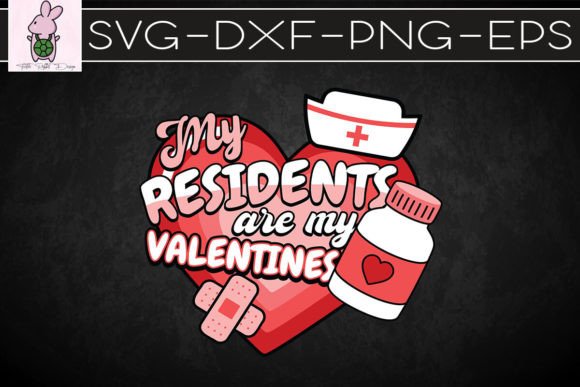
My Residents Are My Valentines Nurse
First Impressions and the Mood This Design Creates
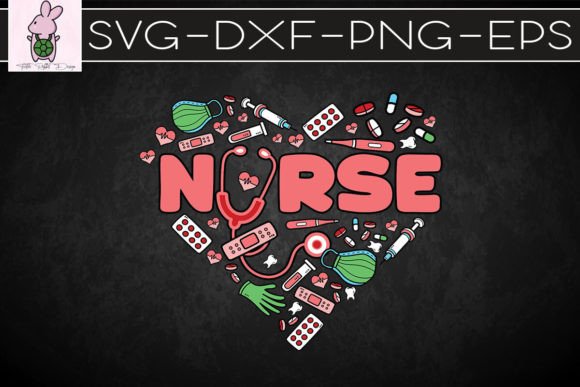
When I first opened My Residents Are My Valentines Nurse in my design software, I immediately felt the warmth of a well-crafted seasonal greeting. The composition doesn’t just deliver a phrase; it carries a gentle, caring personality that fits right into the world of healthcare crafting. The lettering flows with a friendly rhythm, and the visual weight balances nicely between heartfelt sentiment and clean, readable typography. This isn’t a loud, overly decorative piece. It’s a quiet, confident design that speaks directly to nurses, caregivers, and long-term care professionals who want to celebrate the residents they serve.
The mood feels personal and uplifting. There’s a softness in the layout that makes it easy to imagine on a cozy sweatshirt, a cheerful tote bag, or a handmade pillow cover. The design avoids overly complex details that might muddle under thread, which is a huge plus for anyone who has fought with tiny flourishes during an embroidery run. I’d call it a balanced blend of modern typography and genuine sentiment, perfect for Valentine’s Day projects that need to feel heartfelt without being childish.
Where This Design Naturally Belongs
I can picture this placed on a range of products that already live in the handmade and small-batch craft world. The theme is tailor-made for nurse appreciation gifts, senior living community events, and personal keepsakes. Think of a custom embroidered apron worn by a nursing home staff member during a Valentine’s breakfast, or a soft pink tote bag filled with treats for the care team. The design’s message makes it an instant conversation starter and a badge of pride for the wearer.
For craft business owners, the niche is both specific and broad enough to attract buyers. An Etsy seller listing a personalized sweatshirt with this design could draw in families looking for a unique gift for a nurse relative. A small shop creating embroidered patches for scrub tops or jackets would find a loyal audience among healthcare workers. The design also fits beautifully on tea towels, pillow covers, and even nursery decor for those who want to frame a nursing-themed Valentine’s keepsake. The sentiment carries well across different product categories without losing its identity.
How the Digital Files Shape Your Workflow
The product description mentions the My Residents Are My Valentines Nurse digital design kit includes SVG, PNG, and DXF files. Having these three formats opens up a lot of flexibility. The SVG file is cup-sized and design software-friendly, which means I can quickly import it into my embroidery digitizing software or a vector program to adjust scaling, break apart elements, or convert to stitches. The high-resolution PNG with a clear background is a lifesaver for creating clean mockups, printable previews, or even sublimation transfers. The DXF file gives me a solid path for working with cutting machines or specialized digitizing tools that prefer that format. I appreciate that the designer provided multiple entry points for different workflows, because that’s exactly what a working designer needs when juggling client projects.
However, anyone using these files directly for embroidery should remember that the provided formats are Graphics files, not pre-digitized embroidery files. You’ll need to digitize the design yourself or use the vector shapes to guide your stitch creation. The clean lines and well-defined edges in the SVG will make the digitizing process smoother, but you still need to pay attention to stitch type, density, and underlay. I always recommend testing on scrap fabric first, especially with lettering-heavy designs like this one.
Real-Life Scenario: A Custom Tote Bag for a Nursing Unit
Let me walk you through a recent project where I considered using My Residents Are My Valentines Nurse. A client who runs a small assisted living facility reached out for ten personalized tote bags to give her nursing staff on Valentine’s Day. She wanted something that felt professional but personal, and the design had to read clearly on canvas fabric. I immediately thought of this design because the message was exactly what she wanted to convey.
I digitized the design at a 5x7 hoop size, which gave me enough room to keep the lettering crisp without crowding the edges. The tote bag material was a medium-weight cotton canvas with a slight texture. I tested a sample on a similar fabric scrap using a medium-weight cutaway stabilizer and a 40-weight polyester thread in a deep magenta. The satin stitch on the main text came out beautifully clean, with no noticeable gaps. The running stitch details in the smaller supporting elements held their shape even on the slightly textured surface. After washing the tote once, the design stayed intact and the thread color remained vibrant. The client was thrilled, and the nurses ended up using those bags for months, which is the real test of a well-executed embroidery project.
This experience reinforced my belief that the design works best when you respect its simplicity. Don’t try to shrink it into a tiny patch or force it onto a high-stretch performance fabric without proper testing. The lettering needs a certain minimum size to maintain legibility, and the overall impact relies on a clean, uncluttered stitch field.
Practical Considerations for Fabric and Placement
Not every surface is a friend to a text-based design. I’ve learned to be cautious with fabrics that stretch, pill, or have a deep pile. A sweatshirt with a heavy fleece backing can eat up small lettering details, so I’d recommend using a topping stabilizer to keep the satin stitches from sinking. On thin, lightweight t-shirts, the design might pull the fabric if the stitch density is too high. That’s a digitizing decision, but it’s worth mentioning because the original artwork’s stroke widths will influence how you handle the conversion.
When working with dark fabrics, I often test the design in a black-and-white mockup first to see if any subtle elements disappear. The PNG file with a transparent background makes it easy to layer over different colored backgrounds in my software. I’ve found that a light thread on a dark base—like a silver or gold on navy—can give the design a whole new elegant feel, while a bright red on white keeps it classic Valentine’s. The versatility of the theme means you can adapt the thread palette to match your product line’s aesthetic without losing the message.
Thread Choices and Stitch Decisions That Matter
Because the design relies heavily on typography, your choice of thread color and stitch type will directly affect the finished product’s professionalism. I typically use a satin stitch for the main lettering to give it a smooth, polished sheen. If the design includes any decorative flourishes or small accents, a fill stitch might be overkill and could cause puckering. I lean toward a light running stitch for those elements unless the design clearly calls for more coverage.
Color contrast is not just about being seen; it’s about creating a feeling. A soft pastel pink on a cream tote bag whispers gentle care, while a bold red on a white apron makes a confident statement. I’ve noticed that My Residents Are My Valentines Nurse adapts well to monochromatic palettes because the typography itself carries the emotion. You don’t need a rainbow of threads to make it impactful. I’d advise testing a couple of thread combinations on the exact fabric you plan to sell, photographing the results, and letting your customers see the options. That alone can increase buyer confidence and reduce returns.
Small Business and Etsy Seller Insights
If you’re selling finished products with this design, the presentation matters almost as much as the stitching. I’ve seen too many good designs get lost in a cluttered listing photo. The high-resolution PNG included in the kit is a gift for creating clean, attractive mockups. You can place the design on a digital mockup of a tote bag, sweatshirt, or baby onesie, and the clear background makes it look natural. This helps customers visualize the product before you even stitch a single item.
For Etsy sellers, the niche of nurse appreciation gifts is dependable year-round, but it spikes around holidays like Valentine’s Day, Nurses Week, and Christmas. My Residents Are My Valentines Nurse taps into a specific, emotional sub-niche: long-term care and nursing home staff. That’s a community that often shops for personalized, meaningful items. I’d recommend using the design on items that people can gift easily, like a framed embroidery hoop art, a set of embroidered tea towels, or a zippered pouch. The design’s message fits beautifully on a smaller product that can be tucked into a gift basket.
When pricing your finished items, remember that the perceived value goes up when the design is cleanly stitched and the fabric is high quality. Don’t undersell the emotional connection this design creates. The buyer is often someone who wants to honor a caregiver, and they’re willing to pay a fair price for a well-made product that says exactly what they feel.
Licensing and Commercial Use: What to Double-Check
Before you list a single product, always confirm the licensing terms included with the My Residents Are My Valentines Nurse design kit. The description doesn’t spell out whether it’s for personal use only, limited commercial use, or full commercial use. This is crucial if you plan to sell finished physical items, digital mockups, or printed transfers. I’ve seen too many small shops get into trouble because they assumed a file was free for resale. Reach out to the seller or platform if the license isn’t crystal clear. It’s a small step that protects your business and respects the original designer’s work.
If you’re offering the design as a digital product preview or using it to sell digitized embroidery files, you’ll need an even broader license. The Graphics category often implies the file is meant for finished product decoration, but always verify. I keep a folder of licenses for every design asset I use commercially, and I recommend you do the same. It saves headaches and builds trust with customers who value originality.
When to Be Careful with This Design
Even though I’m a fan of this design, I’d be careful in a few situations. Small hoop sizes under 4x4 inches can squeeze the lettering to the point where the smallest details close up. If you need a tiny version, consider simplifying the design or using just the main text and omitting secondary elements. Curved surfaces like a cap front require careful placement and often a design that is wider than it is tall. This design’s layout might not fit a standard cap profile without some tweaking. I’d test it on a structured cap before committing to a bulk order.
Frequent washing is another consideration. For a baby onesie or a kitchen towel that will see a lot of laundry cycles, choose a durable thread and a solid stabilizer, and consider a satin stitch edge that can withstand friction. The sentiment behind the design deserves a product that lasts, so don’t cut corners on materials. A poorly stitched nurse appreciation gift can feel cheap, and that’s the opposite of what you want to convey.
My Overall Takeaway as a Working Designer
Using My Residents Are My Valentines Nurse in a real embroidery project feels like a smart, low-risk choice with a high emotional payoff. The design is not trying to do too much, and that restraint is its strength. It respects the crafter who has to digitize, stitch, and finish the product, and it respects the end customer who will wear or display it. The included file formats save time, and the visual clarity makes the design ready for a wide range of products in the Crafts space.
I’d happily recommend this to a fellow embroidery designer, a small business owner, or a hobbyist who wants to create something meaningful. Just remember to test your specific fabric, thread, and stabilizer combination, double-check your licensing, and keep the design size appropriate for the lettering. When you nail those details, the result is a product that feels professionally made and deeply personal. That’s the sweet spot for any handmade business, and My Residents Are My Valentines Nurse lands right in the middle of it.