Beary Much Valentine SVG in Embroidery: A Designer’s Take
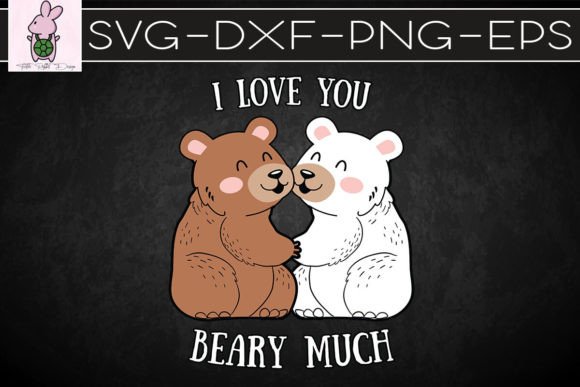
Sometimes a design lands on your screen and instantly sparks a very specific project. The Beary Much Valentine SVG did that for me. It’s not just another seasonal graphic; it’s a design that feels like it belongs on a handmade item that someone will keep for years. The mood is playful, warm, and a little nostalgic. A sweet bear, likely clutching a heart or paired with the punny phrase, immediately sets a tone that’s less about generic romance and more about cozy, approachable affection. As a digital kit, it comes with an SVG that’s cup-sized and design software-friendly, a high-resolution PNG with a clear background, and a DXF that hints at multi-purpose use. For an embroidery designer, that combination is a practical starting point. The real question is how it behaves once it leaves the screen and becomes thread on fabric.
From Screen to Stitches: Can This Digital Design Hold Up in Thread?
When I evaluate a graphic like Beary Much Valentine SVG for embroidery, I’m not just looking at the cuteness. I’m mentally tracing every outline, imagining how a satin stitch will lie along the bear’s ears, whether a fill stitch will preserve the softness of the face, and if the lettering will stay crisp at a wearable size. The fact that the SVG is described as cup-sized tells me it’s already compact, which is a huge advantage for small hoop work. Many embroidery machines have a 4x4 or 5x7 inch field, and this design likely fits comfortably without excessive resizing. The high-resolution PNG with a transparent background is gold for creating mockups—you can place it on a digital tote bag or sweatshirt and show a client a realistic preview before a single stitch goes down. The DXF just adds flexibility for those who also work with cutting machines or laser engraving, but my focus stays on thread.
One thing I always check with a digital file intended for embroidery is the level of detail. Tiny elements like whiskers, small text, or intricate heart patterns can become muddy if stitch density isn’t dialed in. The Beary Much Valentine SVG appears to balance detail with simplicity. The bear’s shape is likely rounded and forgiving, and any text, if it’s part of the design, reads as a bold, friendly phrase. That sort of clarity often translates well into a running stitch or a carefully digitized satin border. But I’d still grab a scrap of the actual fabric I plan to use—a mid-weight cotton or a soft fleece—and run a test before committing to a final product. The visual personality of the design is disarming; it’s the kind of motif that makes people smile, and that emotional pull is what turns a basic item into a gift.
A Real-World Project: Imagining the Design on a Valentine’s Tote Bag
Let’s say I’m a small business owner preparing for a Valentine’s boutique release. I’m thinking about a limited-edition canvas tote with a large, centered embroidery. The Beary Much Valentine SVG would be the hero. I’d digitize it with a soft, plush fill stitch for the bear’s body, maybe a delicate satin outline for the heart, and a contrasting thread for the lettering so it pops against natural canvas. I’d use a medium-weight cutaway stabilizer because the canvas will take a lot of wear. The tote would likely sell as a gift—a customer grabs it for a partner, a child, or a best friend. The design’s tone is universal enough to avoid being too saccharine, yet specific enough to feel like a deliberate Valentine’s gesture. Because the SVG is already cup-sized, I know it won’t need extreme scaling, and I can keep the stitch count reasonable while maintaining impact. That’s a practical win for production time and for the final look after a wash cycle.
Where Beary Much Valentine SVG Shines Brightest
After looking at the design from every angle, I can see it fitting naturally into a range of handmade products. The bear motif works beautifully on baby items—a soft onesie, a bib, or a tiny security blanket corner. It’s equally at home on a unisex crewneck sweatshirt, where the sweetness can be offset by a relaxed garment. For kitchen textiles, a tea towel with this design becomes a charming hostess gift. I’d also consider a structured apron, a patch for a denim jacket, or a decorative pillow cover for a nursery. The key is to match the visual weight of the design to the product. The Beary Much Valentine SVG feels light and open, so it doesn’t demand a huge embroidery area. That means it can sit comfortably on a cap front, a zipper pouch, or even a quilt block without overwhelming the surface.
The Tricky Fabric and Surface Considerations
No design is universally foolproof. With the Beary Much Valentine SVG, I’d be cautious on highly textured fabrics like terry cloth or thick knits where small details could get lost. Stretchy fabrics, like performance wear or thin jersey, would need a well-chosen stabilizer and possibly a topping to keep the stitches from sinking. Dark fabrics, especially black or deep burgundy, require thread color choices that maintain contrast; a chocolate-brown bear might disappear unless the design includes a light outline or background. If the design includes fine lettering, I’d avoid embroidering it on curved surfaces like a cap crown without testing the distortion first. Dense stitch areas, like a fully filled heart, might pucker on lightweight silks or satins. I’d always do a stitch-out on the exact fabric combo before offering it in a shop. These aren’t dealbreakers—they’re just the sort of professional checks that separate a polished product from a craft fail.
How This Design Lifts the Perceived Value of Finished Products
A well-chosen embroidery design does more than decorate—it builds buyer trust. When a customer sees a finished product with the Beary Much Valentine SVG stitched cleanly onto a tote or a sweatshirt, they’re not just seeing a cute bear. They’re seeing a cohesive, thoughtful item that looks like it came from a real brand. The punny phrase “Beary Much Valentine” is memorable and shareable, which helps with word-of-mouth and social media engagement. For Etsy sellers, that kind of design can anchor a Valentine’s listing and make it stand out in a sea of generic hearts. It also lends itself to personalization: you could add a name or a date in a coordinating font, which instantly boosts the giftability. From a craft business perspective, the design’s versatility across multiple product types means you can create a small collection around it—a matching bib and burp cloth set, a mommy-and-me shirt duo, or a coordinated kitchen towel and apron pair. That consistency helps build a brand identity.
Practical Tips for Embroidery Designers Using the Beary Much Valentine SVG
Before you load this file into your digitizing software and start stitching, a few routine checks make all the difference. Here’s what I’d do:
- Test on scrap fabric first. Even if you’ve digitized similar designs, the exact stitchout reveals how the thread interacts with the material.
- Review thread color contrast. Hold the spools against the fabric in natural light. A slight mismatch can dull the whole design.
- Confirm your hoop size. The SVG is cup-sized, but once digitized with borders and underlay, the embroidery area might expand slightly. Measure before you load the hoop.
- Inspect small details. Zoom in on the PNG and check how the bear’s eyes, nose, and any tiny text digitize. If a running stitch is too thick, it could blur the expression.
- Test in black and white mockups. A quick grayscale version of the design printed on paper helps you judge value contrast. This is especially useful for dark or light fabric backgrounds.
- Use proper stabilizer. A cutaway for knits, a tear-away for woven cottons, and a water-soluble topping for textured fabrics all play a role.
- Check licensing terms. The product description doesn’t specify commercial embroidery rights, so verify whether you can sell finished items or digital products derived from the design. That step protects your business.
Final Thoughts on Adding Beary Much Valentine SVG to Your Embroidery Toolkit
As a design asset, the Beary Much Valentine SVG brings a lot of charm without demanding a complex setup. Its cup-sized proportions and software-friendly formats make it a low-friction addition to a digital library. The high-resolution PNG is a gift for mockup-heavy sellers, and the DXF option opens the door for mixed-media projects. For embroidery specifically, the design’s soft lines and friendly theme translate into a product that feels substantial and gift-ready. I’d use it confidently on a boutique sweatshirt, a baby blanket corner, or a hand-stitched patch. The key is to treat it as a starting point and apply your own digitizing judgment, thread choices, and fabric testing. That’s what turns a really cute graphic into a professionally finished piece that customers will actually reach for. If you’re building a Valentine’s collection or just want a reliable design that makes people smile, this one is worth a close look—just remember to test, tweak, and trust your eye.